Externship in Emotionally Focused Couples Therapy®
Join Us for An In-person externship
November 17th, 2026 - November 19th, 2026

November 17th, 2026 - November 19th, 2026
All mental health professionals including psychiatrists, psychologists, family physicians, social workers, psychiatric nurses, counsellors (including couples and family therapists), pastors and clergy, and students training in these professions. School counsellors are permitted to attend if they are licensed and belong to a professional body that has standards of practice for psychotherapy/counselling.
Life coaches are not permitted to attend unless they also meet one of the mental health professional categories listed above.
By the end of the Externship, participants will:
Obtain a clear understanding of the basic experiential systemic concepts of an “Emotionally Focused” approach to therapy.
Be able to view clients in the web of their interpersonal attachments and conceptualise relationship distress and repair based on theories of attachment and emotion.
Take account of the impact of discrimination and oppression on individuals and their relationships, including distress and resilience.
Develop skills in sharing and maintaining an engaged, open and collaborative alliance with clients
Develop skills in the 5 moves of the basic macro-intervention, the EFT Tango – in order to change patterns of affect regulation, models of self and other, strategies for engaging others and interactional patterns.
Develop skills in EFT micro interventions taken from experiential and attachment systemic models of intervention.
Participants will develop skills in overcoming common blocks and impasses in couple therapy and so shape core corrective emotional experiences that lead to constructive dependency and what Rogers termed ‘existential living.’
Emotionally Focused Therapy (EFT) is a distinctive therapeutic approach designed to enhance individuals' and couples' emotional awareness and relational dynamics. Originating in the 1980s by Dr. Sue Johnson, EFT underscores the significance of emotions in shaping human experiences and interpersonal connections.
Central to its framework is the notion that humans possess an innate capacity for secure self-identity, fostering trusting relationships with others. This foundational premise suggests that fostering secure emotional bonds contributes to overall well-being and psychological health.
EFT exhibits remarkable versatility, renowned not only for its efficacy in enhancing romantic relationships through Emotionally Focused Couples Therapy (EFCT) but also for its applicability to individuals and families.
Individually, EFT (EFIT) proves instrumental in addressing conditions such as depression, anxiety, and trauma-related emotional distress.
In family contexts, EFT (EFFT) serves to deepen familial ties and ameliorate relational strains, rendering it a viable option for families seeking to fortify their cohesion.
What distinguishes EFT is its emphasis on emotional intelligence and regulation as fundamental to relational success. By facilitating a deeper understanding of one's own emotions and those of others, EFT fosters healthier and more gratifying interpersonal connections. Its therapeutic approach transcends mere symptom alleviation, striving instead for enduring transformation.
Beyond its theoretical underpinnings, EFT's efficacy is substantiated by extensive empirical research, positioning it as a cornerstone in the therapeutic landscape. Moreover, EFT principles have been adapted to develop various relationship enhancement programs, including "Hold Me Tight® Online" for couples, "Hold Me Tight®: Conversations for Connection" in virtual format, and specialized interventions tailored to specific demographics, such as "Created for Connection" for Christian couples and "Healing Hearts Together" for couples navigating cardiac issues. Additionally, family-oriented programs cater to the unique needs of adolescents and adult children.
For those seeking to cultivate deeper interpersonal connections, navigate emotional challenges, bolster self-assurance, and enhance familial or romantic relationships, Emotionally Focused Therapy stands as an invaluable resource. Its ethos of nurturing secure attachments, fostering emotional literacy, and promoting psychological well-being underscores its potential to engender profound and lasting personal growth.

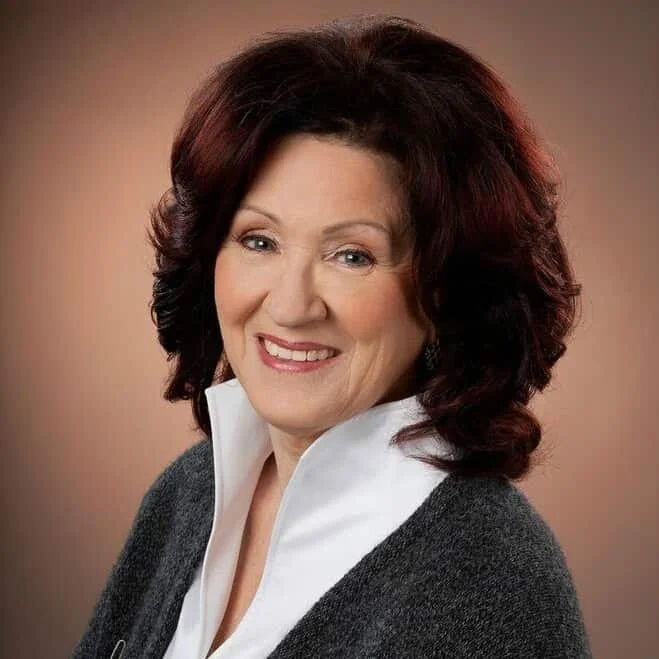
Rachel Thomas, LMFT, has been a licensed therapist since 1997 and is a Certified Emotionally Focused Therapist, Certified EFT Supervisor, and Arizona's Emotionally Focused Therapy Trainer. She is passionate about helping couples, individuals, and adult family members create stronger, more secure relationships through Emotionally Focused Therapy. In addition to her therapy practice, Rachel leads Hold Me Tight® Couples Workshops and offers two-day EFT Intensives for couples and families seeking meaningful, lasting change.
An AAMFT Approved Supervisor since 2005, Rachel has helped many therapists successfully navigate the path to licensure. She continues to provide clinical supervision and consultation for the Therapy With Heart team as well as Emotionally Focused Therapy clinicians around the world who are expanding their skills and deepening their practice. Her commitment to the EFT community has included years of leadership within Arizona Emotionally Focused Therapy (AzEFT), including four years as President before stepping into her current role as Arizona EFT Trainer.
Beyond her work as a therapist, supervisor, and trainer, Rachel is deeply committed to supporting individuals and families experiencing grief and infertility. She has volunteered with New Song Center for Grieving Children through Hospice of the Valley and has been involved with RESOLVE: The National Infertility Association. These experiences continue to shape her clinical work, with grief and infertility remaining important areas of specialization.
Rachel believes healing happens in environments where people feel emotionally safe, genuinely accepted, and deeply understood. Whether working with clients or mentoring fellow therapists, she strives to create spaces that encourage authenticity, connection, and growth. As an educator, she has presented trainings on a variety of specialized topics, including EFT and Affairs, EFT Across Systems, Attachment-Based Suicide Prevention, and EFT Supervision Reboot. She also serves as a facilitator for EFT Externships and Core Skills training, where she is passionate about developing therapists and strengthening the Emotionally Focused Therapy community both within Therapy With Heart and throughout Arizona.
To Be Announced Soon!
(Click the arrow for more details)

8am to 5:30pm
8am to 5:30pm
8am to 5:30pm
ICEEFT recommends taking Fundamentals of EFT prior to this course. There are no prerequisites for an EFCT Externship.
EFCT Core Skills follows an Externship.
Required Reading:
The Practice of Emotionally Focused Couple Therapy: Creating Connection, 3rd edition, by Susan M. Johnson, 2020. Routledge.
Recommended Readings:
Attachment Theory in Practice: Emotionally Focused Therapy (EFT) with Individuals, Couples, and Families by Dr. Susan M. Johnson, 2019. Guildford Press.
Becoming an Emotionally Focused Therapist: The Workbook, 2nd edition, by James L. Furrow, Susan M. Johnson, Brent Bradley, Lorrie L. Brubacher, T. Leanne Campbell, Veronica Kallos-Lilly, Gail Palmer, Kathryn Rheem, Scott R. Woolley, 2022. Routledge.

2018 Overland Park, Kansas
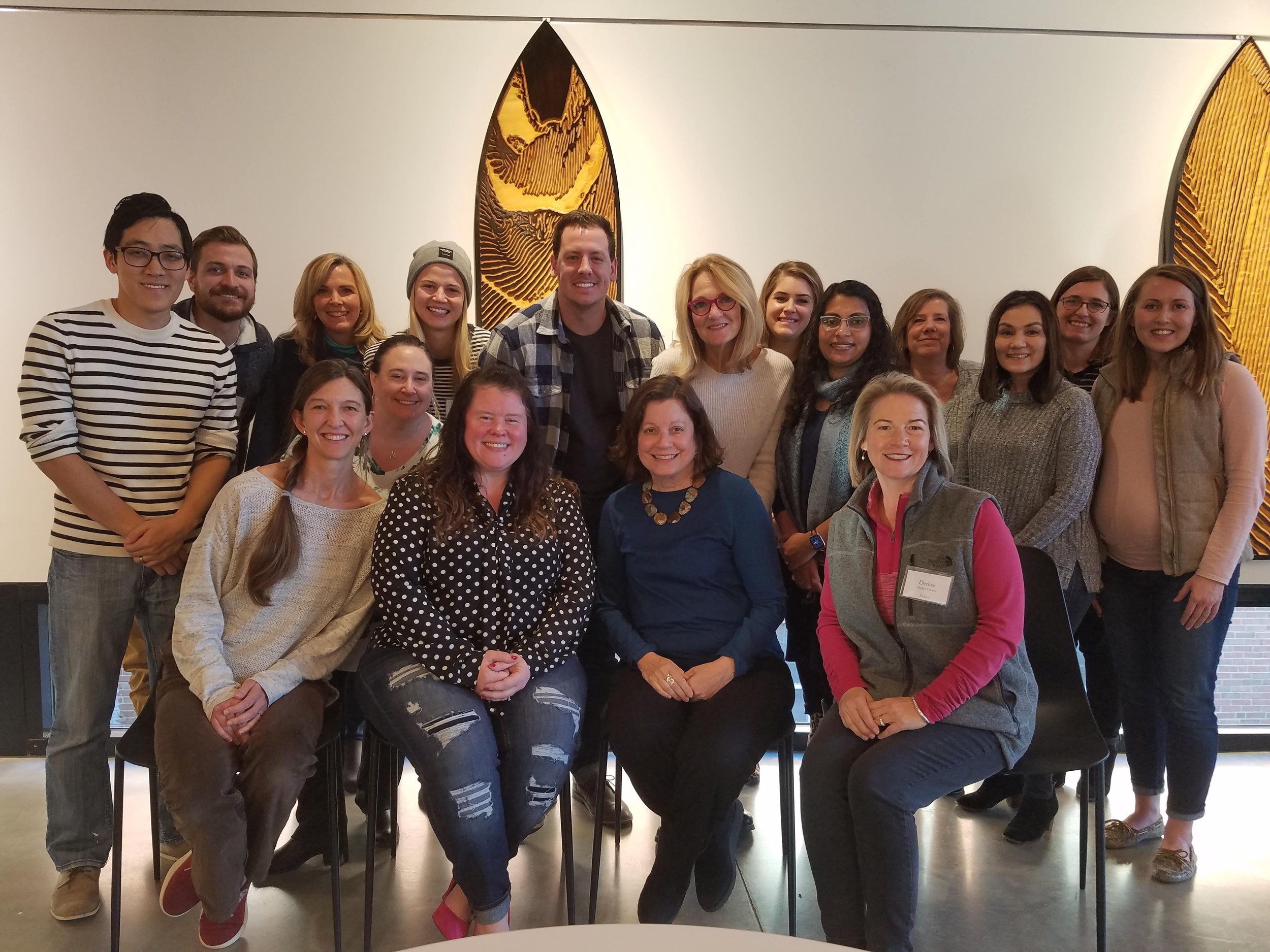
2019 Kansas City, Missouri